Between Inheritance and Identity
Xavier Jean has been a faithful steward of Couvent des Jacobins. But CALICEM is what he made for himself.
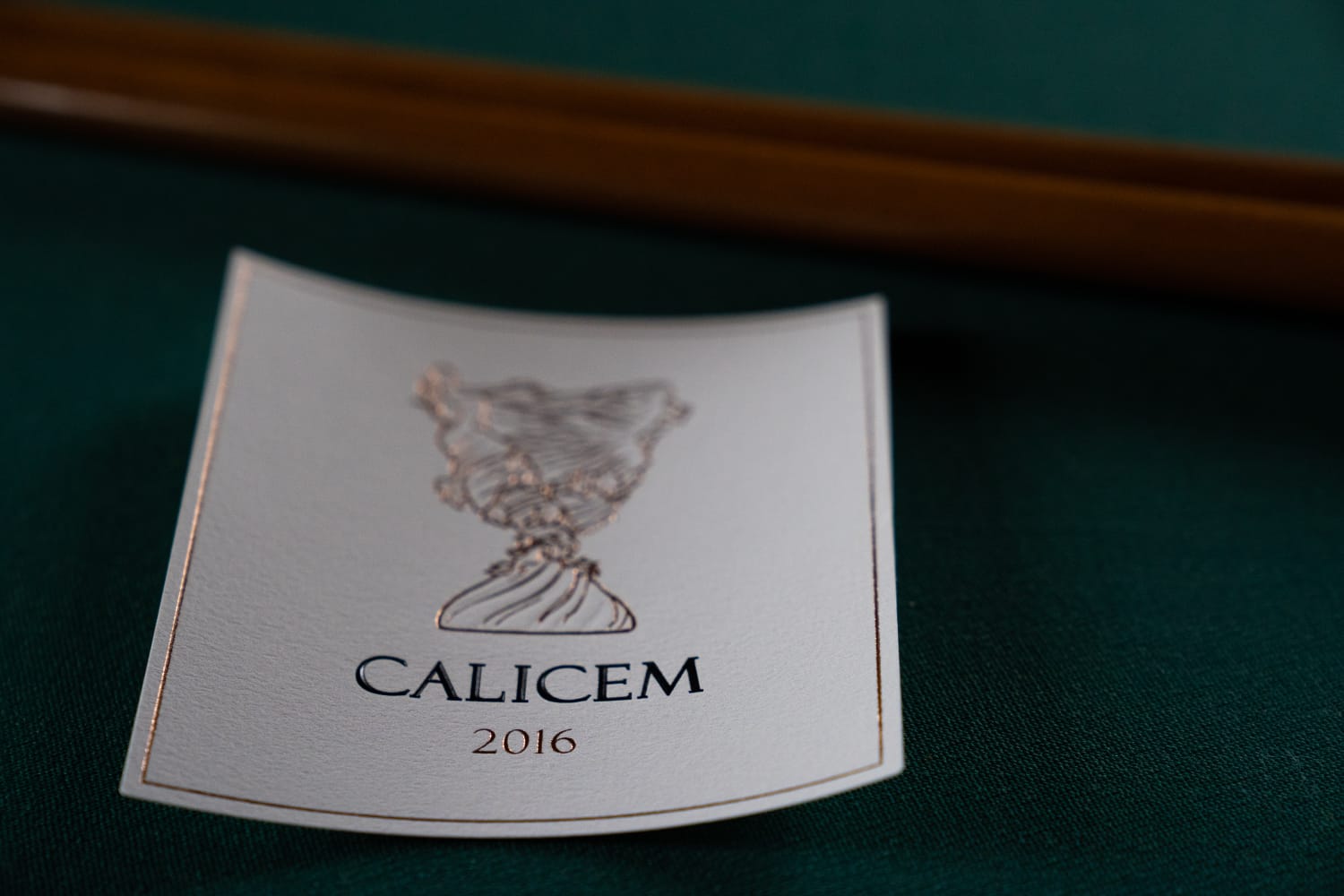
CALICEM. (Photo Credit: CALICEM)
Xavier Jean has been pondering a question ever since he bought the 0.8 hectare plot back in 2014. It was a single plot of old Merlot vines planted in 1961 before he was even born. Sitting on clay-limestone soils in Saint-Émilion, this plot shares famous neighbours the likes of Château Angelus and Château Canon.
It was not as if Jean did not have his hands full, managing Couvent des Jacobins while having a full-time career in finance, based in Singapore no less. Jean took over management of Couvent des Jacobins from his great-aunt in 2012, exactly 110 years after Jean Jean acquired it. As the fourth-generation heir, Jean has gone through great lengths to preserve the family's legacy, while keeping it up with time. He sought approval from the family to convert their vineyards to organic farming, no small feat for an estate with fourteen different plots. Together with Denis Pomarède, their estate manager and winemaker, they also started planting Petit Verdot in 2016.
Despite these changes, the style of Couvent des Jacobins has largely remained true to this 700-year-old estate, once cultivated by the monks. "Our labels today are similar to those from the 1940s," Jean shared. He has been a faithful steward to the family and the estate.
But CALICEM is something else entirely.
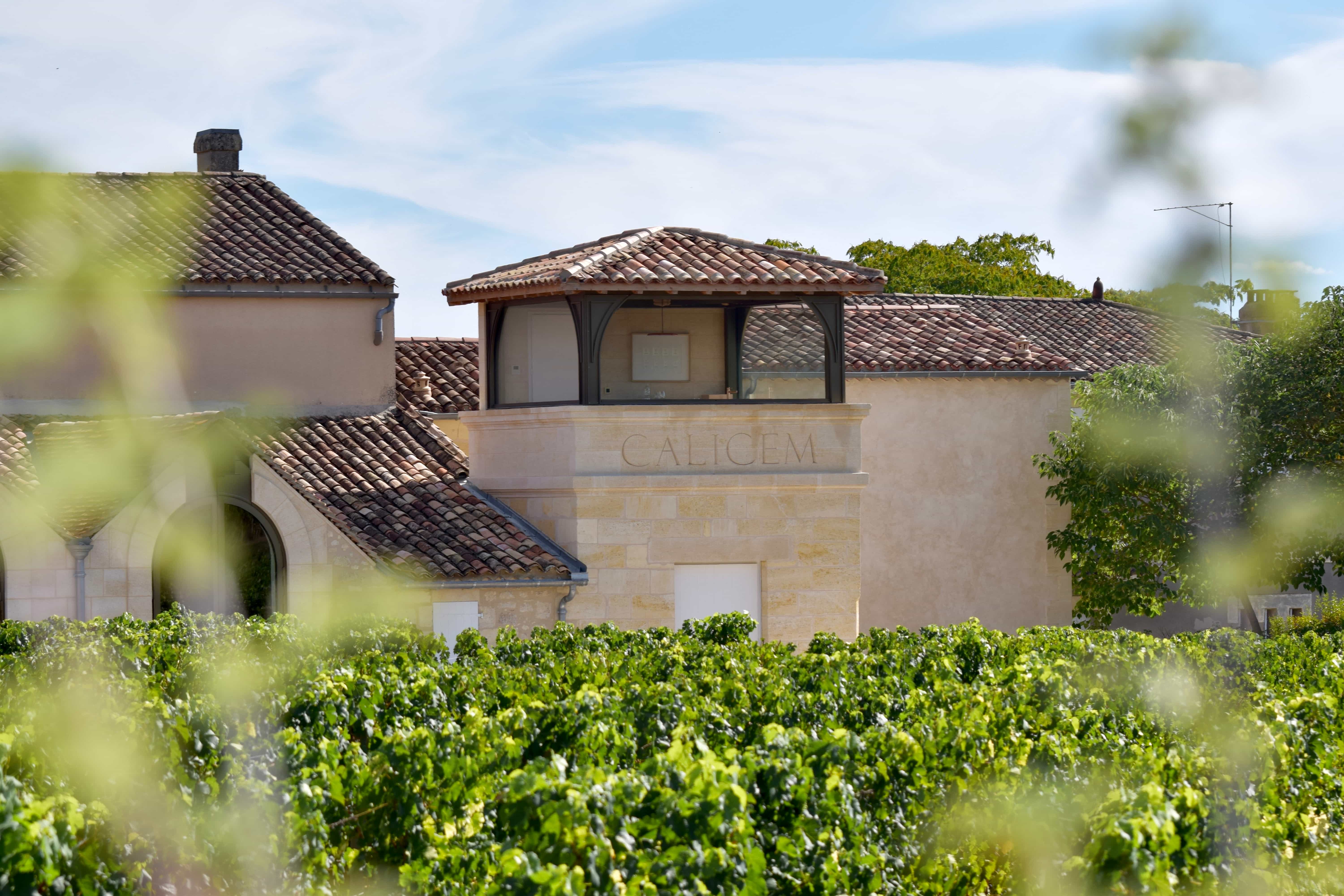
The quaint estate sits on just 0.8 hectares. Jean and Pomarède both viewed it as a ground for experimentation; and experiment they did. CALICEM produces a mere 2,000 to 3,000 bottles each vintage, fermented and aged in roughly five oak barrels. Throughout the years since the first vintage in 2015, they worked through barrel sizes of 600L, 500L, and even the 225L barrique before settling on 500L.
Everything is manual in CALICEM. With fewer than 4,000 vines sitting on these crushed limestone clay slopes, hand harvesting is only the first step. The pigeage is also done by hand. It is, without question, a muscle-demanding job; as I discovered for myself during harvest last year.
"Crafting CALICEM has been a totally new winemaking experience for me," says Pomarède. With only a few barrels per year, he describes the pressure of small quantities acutely. Every detail matters, "because it is a pure merlot cuvée, there is no hiding behind the oak or the structure and complexity you would get from additional grape varieties like Cabernet Franc."
The constraints, however, was turned into the laboratory. Maceration times, manual punching down frequency, barrel sizes — each variable tested, each result immediately legible in the wine. "As we now have ten vintages of experience, I feel the philosophy and identity of those old Merlots really show in the bottle. That's very exciting for a winemaker," Pomarède shared.
If you have tried CALICEM, you would have uncovered the surprisingly saline finish that lifts the entire wine. Jean believes it comes from how slow the extraction of polyphenol and anthocyanin is, resulting in a gentle structure that he proudly describes as "like a tea infusion."
The label features the work of Indonesian sculptor Nyoman Nuarta, reflecting Jean's own journey of being based in Asia for more than two decades. He first encountered the sculpture during his years travelling to Jakarta for work and was fascinated by its energy. The ever-determined Jean then tracked down the artist and shared with him the CALICEM project. After three iterations, a final sculpture in bronze and brass was agreed between Jean, Pomarède, and Nuarta.
Jean is clear-eyed about what the next chapter looks like. "For CALICEM, the next ten years will be about spreading the vision that you can produce extraordinary mono-cépage, plot-driven Merlot in Saint-Émilion with great elegance and ageing potential," he says. "Today, we are still developing the record and ageing history of CALICEM. Unlike Couvent, which has been around for over 100 years." Currently, CALICEM's minute production is distributed only in five markets. Jean is confident that he would see more on-trade listings "as we have more vintages to showcase, this will change".
Couvent des Jacobins commands the kind of respect I have for tradition and monumentality. But tasting CALICEM is tasting a wine still discovering itself, yet handled so wholeheartedly that it cannot help being exceptional.
Like old vines, what is rooted in the right environment is not a constraint but the foundation to grow from.
Articles For You
The Wachau: The World-Class Wine Region Worth Knowing
Austria's most precise whites have been absent from Asian tables. That is about to change.
Recrue des Sens: An Evening with Yann Durieux
The experience of tasting eleven wines that barely covers the "The Romantic Rebel of Burgundy", as coined by event attendee Leng Hoe Lon.
Three Wines for Every Tze Char Table
Three styles of wine that goes with Singapore's most beloved hawker tradition.