Three Wines for Every Tze Char Table
Three styles of wine that goes with Singapore's most beloved hawker tradition.
The beating sun, a never-ending list of tasks, and an overworked coolie in desperate need of a quick and moreish meal. Enter the tze char (煮炒) hawker — a one-man wonder chef, wielding a wok and a ladle, churning out rice noodles, sliced pork, seafood and vegetables nesting under a blanket of umami-laden gravy in just under five minutes.
From the roadside simplicity of fried rice, noodles, the occasional vegetable and seafood stir-fry originating from Southern China, Singapore's tze char hawkers have moved into more permanent bases like coffee shops, food centres and some even their own standalone restaurants. The flavours have also incorporated the best of our migratory heritage, featuring sambal, curries and even European-inspired sauces and gravies.
This is a chronicle of Singapore's food history; a keystone of our nation-building.
Here are three versatile wine styles that we need at our tze char tables.
The Sparkler
A typical tze char meal with a group of friends would often feature a claypot dish laden with gravy or curry, a delectable crispy deep-fried snack, a couple of stir-fries with perhaps a spicy angle, a sweet-sour punch and an earthy ginger-spring onion combo. A plethora of flavours, different cook temperatures, all consumed in Singapore's heat and humidity.
A cold beverage, built on the backbone of acidity to refresh that loaded palate, is the perfect way to keep the meal going. Add in a kick of some apparent residual sugar and fruity flavours to complement the spiced and salty dishes and we've got a mainstay. Think the non-alcoholic equivalent of that can of Coke, 100 Plus or an old-school Kickapoo carbonated drink. This is the adult replacement.
Wine types: Champagne (above 3g/L residual sugar), Crémant, Prosecco, Cava, Franciacorta, English sparkling wine, Sekt, and various Espumosos.
That Slight Hint of Sweet
Sambal, curries and chillies were introduced to Southern Chinese cooking by the Malays and Indians as our cultures merged through toil and labour. Curry and assam claypots, sambal stir-fries and crispy or steamed chilli toppings are an all-too-familiar sight on tze char tables. In fact, merely sitting down at a tze char table will see the server automatically placing cut chilli, and potentially a plate of sambal, in front of you together with plates and cutlery.
A beverage that carries with it that slight sugar weight alongside citrus or floral tones is the perfect counter to the spice and savoury components of any tze char meal. Even if the food is not spicy, the light sugars balance off the salty tones, which makes it doubly enjoyable. Think that canned chrysanthemum and winter melon tea, or even that homemade barley drink the tze char stall offers you. That's where we want to be.
Wine types: Wines from 4–30g/L residual sugar. German Rieslings from the Mosel, Rheingau and Rheinhessen with a Kabinett label (typically 8–11% ABV); Chenin Blanc from Vouvray or South Africa; Gewurztraminer; Pinot Gris from Alsace (some carry a 1–9 sweetness scale on the back label — aim for 3–6); Torrontés from Argentina; and some Zinfandel and Primitivo from the USA and Italy.
And If You Only Drink Red...
The tricky thing about reds is always the tannin, the lack of sugar, and temperature control at the tze char table. Bitter tannins mixed with oyster and soy-based sauces tend to distort the balance of bitterness, acidity and fruit in the wine and can feel metallic or harsh on the palate. The lack of sugar tends to let the deeper, richer sauces of tze char dishes overpower the wine's flavour. Lastly, serving the wine too cold accentuates the tannins, whilst serving it too warm makes the alcohol run hot against the spices.
Therefore, if a red must be chosen, a lower-tannin, fruit-forward red served at a cooler temperature would be the best choice. Think drinking an overly brewed Chinese tea with tannins alongside tze char — not a classic sight. But add ice, flavour it up with citrus or stone fruit (iced lemon tea, iced peach tea), and suddenly it can work. The same logic applies here.
Wine types: Fruity Gamay from Beaujolais; fruit-forward Pinot Noir from Sonoma, Oregon, Tasmania and New Zealand; soft, fruit-forward Shiraz from Australia, France and the USA.
Articles For You
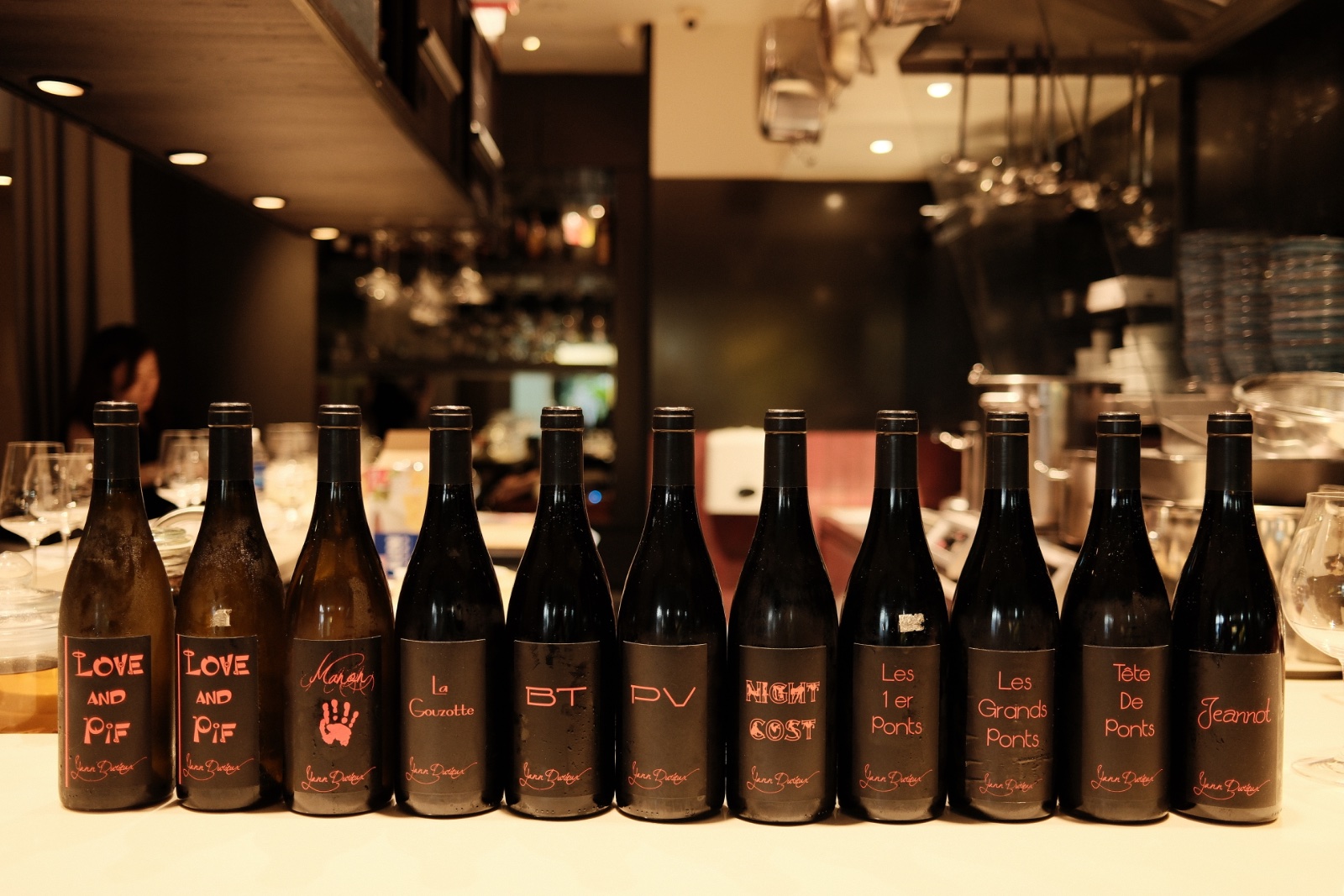
Recrue des Sens: An Evening with Yann Durieux
The experience of tasting eleven wines that barely covers the "The Romantic Rebel of Burgundy", as coined by event attendee Leng Hoe Lon.
Between Inheritance and Identity
Xavier Jean has been a faithful steward of Couvent des Jacobins. But CALICEM is what he made for himself.
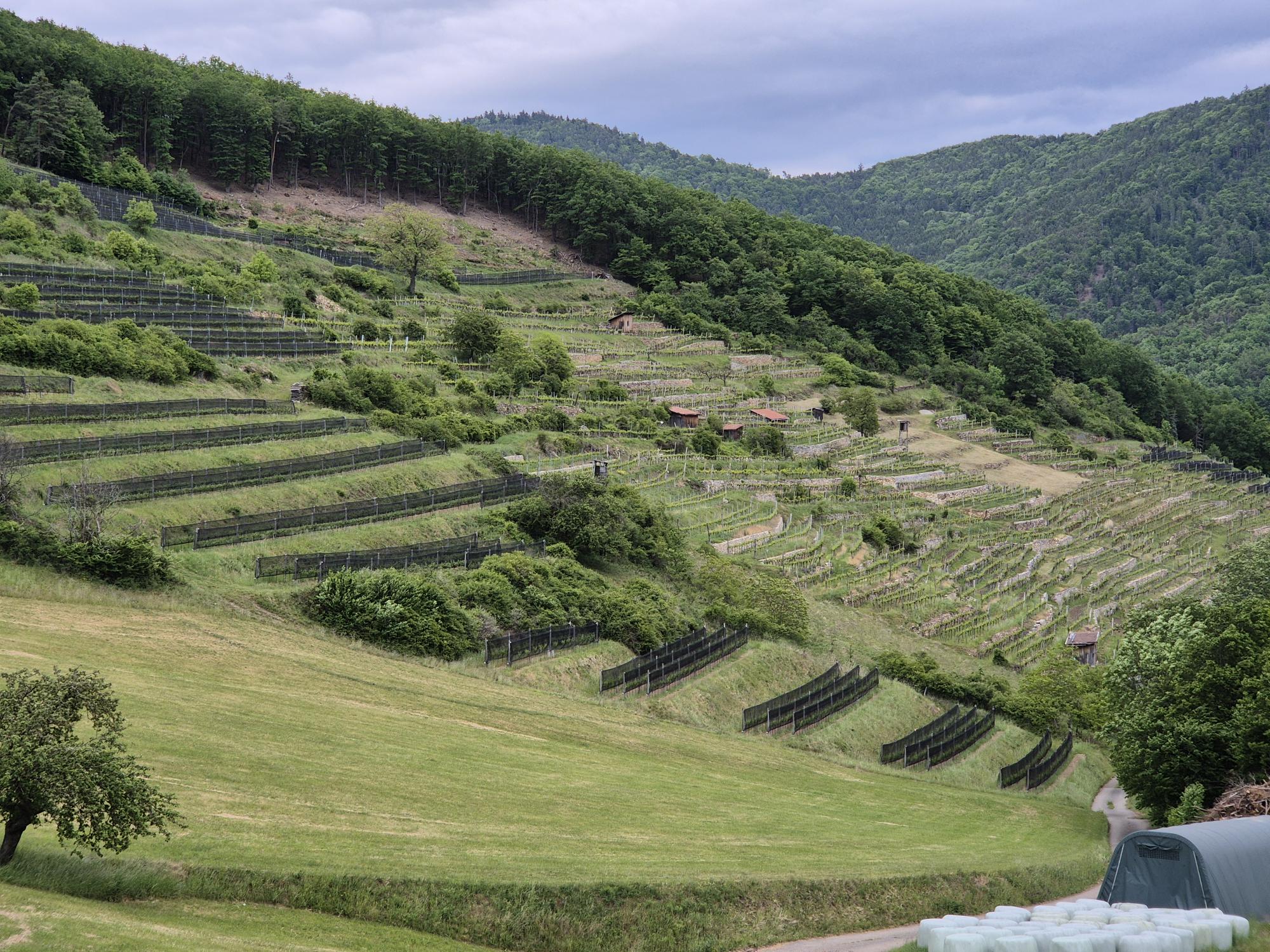
The Wachau: The World-Class Wine Region Worth Knowing
Austria's most precise whites have been absent from Asian tables. That is about to change.