Reviews
Leclerc Briant: An Evening of Sea-Aged Cuveés
The sea-aged cuveés open the door, but the range keeps you in the room.
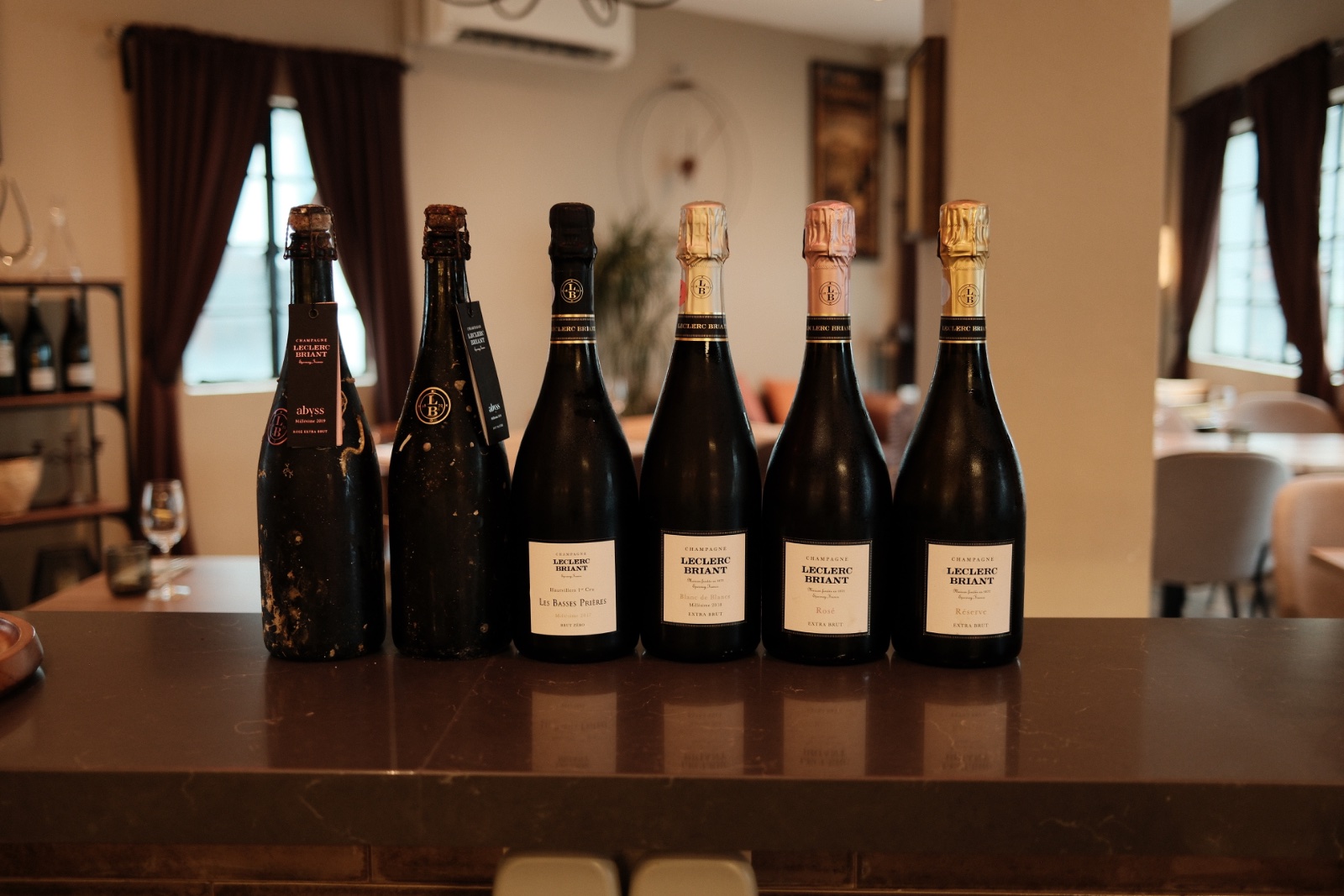
Line up of Leclerc Briant, tasted on 17 June 2026 in Singapore. (Photo Credit: Jaclene Liew)
Intrigue is the word when I mentioned to my friends a sea-aged Champagne event I was thinking of hosting. The questions followed immediately was: does it actually taste different or is it simply a marketing gimmick?
All very fair questions.
Sea-ageing is not a new concept, as the practice of submerging bottles underwater has been explored by producers across Europe. Winemaker Raúl Pérez is considered to be the pioneer of this modern movement. In 2003, he caged his Rías Baixas Albariño off the coast of Galicia and named the project "Sketch". I used to be a skeptic myself, until the Exton Park duo bottles of 60 Above and 60 Under changed my mind. Since then, I was convinced.
What makes Leclerc Briant's Abyss cuvées worth paying attention to is that the liquid in the bottle behind the intriguing story is genuinely quality. While the novelty opens the door, the quality is what keeps you in the room.
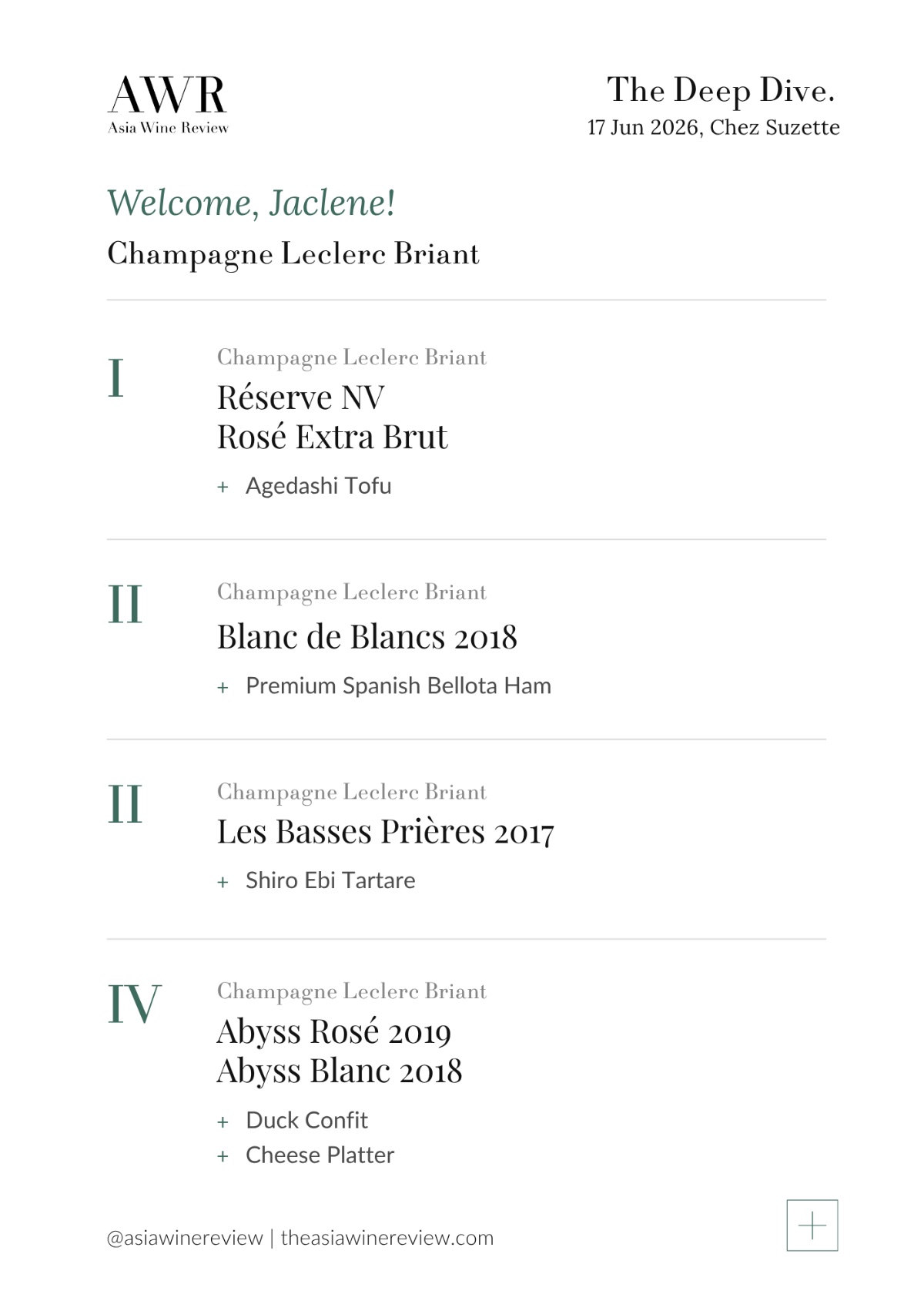
On 17 June, we brought together eight attendees for an evening built around six Leclerc Briant cuveés. Amongst them, both the highly coveted Abyss Blanc 2019 and Abyss Rosé 2018 were poured. The pairing menu was designed collaboratively with the Chez Suzette team through iterations, and in true AWR fashion, landing on an alternating sequence of Asian and European dishes with different cuveés to pair.
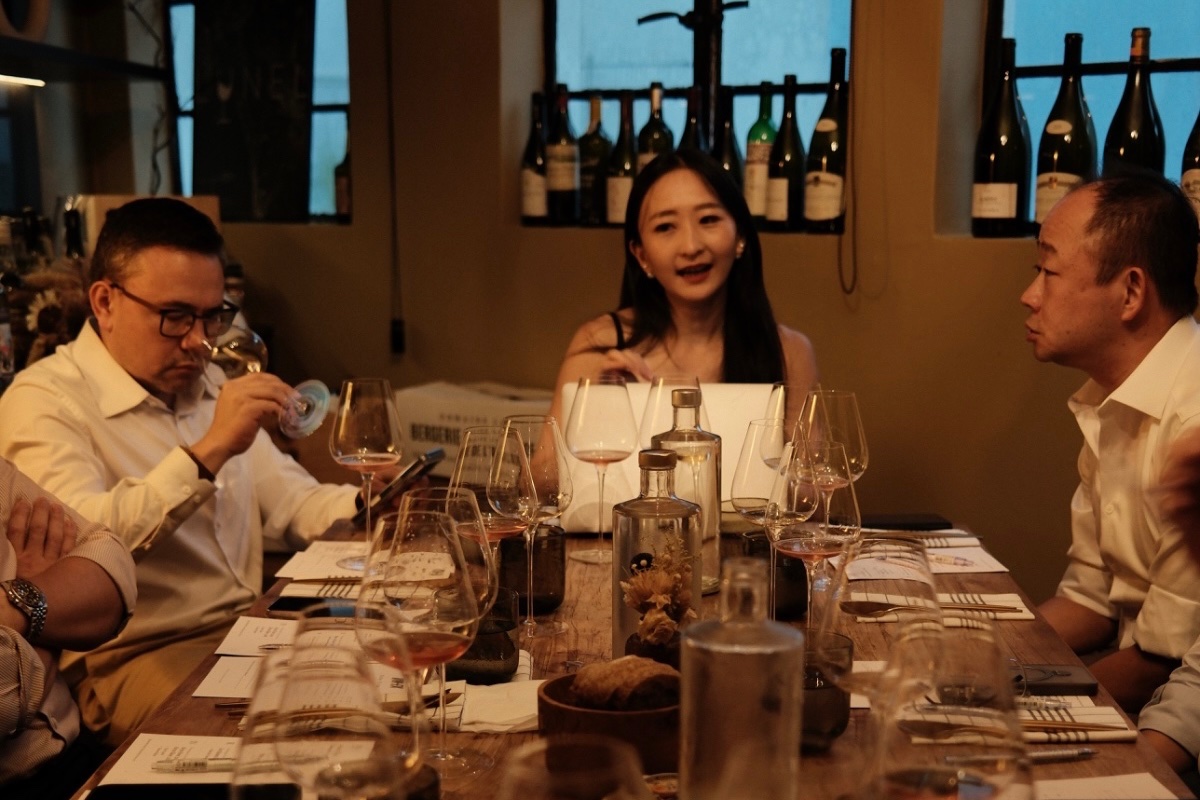
The event opened with attendees tasted through tasting portions of all six wines, led by AWR Editor-in-Chief Jaclene Liew, discussing each wine separately. After which, dinner was served and the same bottles returned and drank more freely.
This is the way we know how to both respect and experience the wines — by tasting the wines first, before enjoying them with dinner. We stand this way method to conduct a wine tasting, having both the analytical and the convivial, in that order.
We tasted the agedashi tofu alongside the Réserve NV and Rosé Extra Brut NV, contrasting the soft texture of the tofu with the precision of the Réserve and the weightlessness of the Rosé. The intense mineral backbone and natural sharpness of the 2018 Blanc de Blancs cut straight through the Spanish Bellota Ham, while the wine’s subtle fruitiness beautifully complemented the nutty flavour in the meat. The shiro ebi tartare was paired with the 2017 Les Basses Prières, with the oxidative salinity enhancing the sweetness of the prawn.
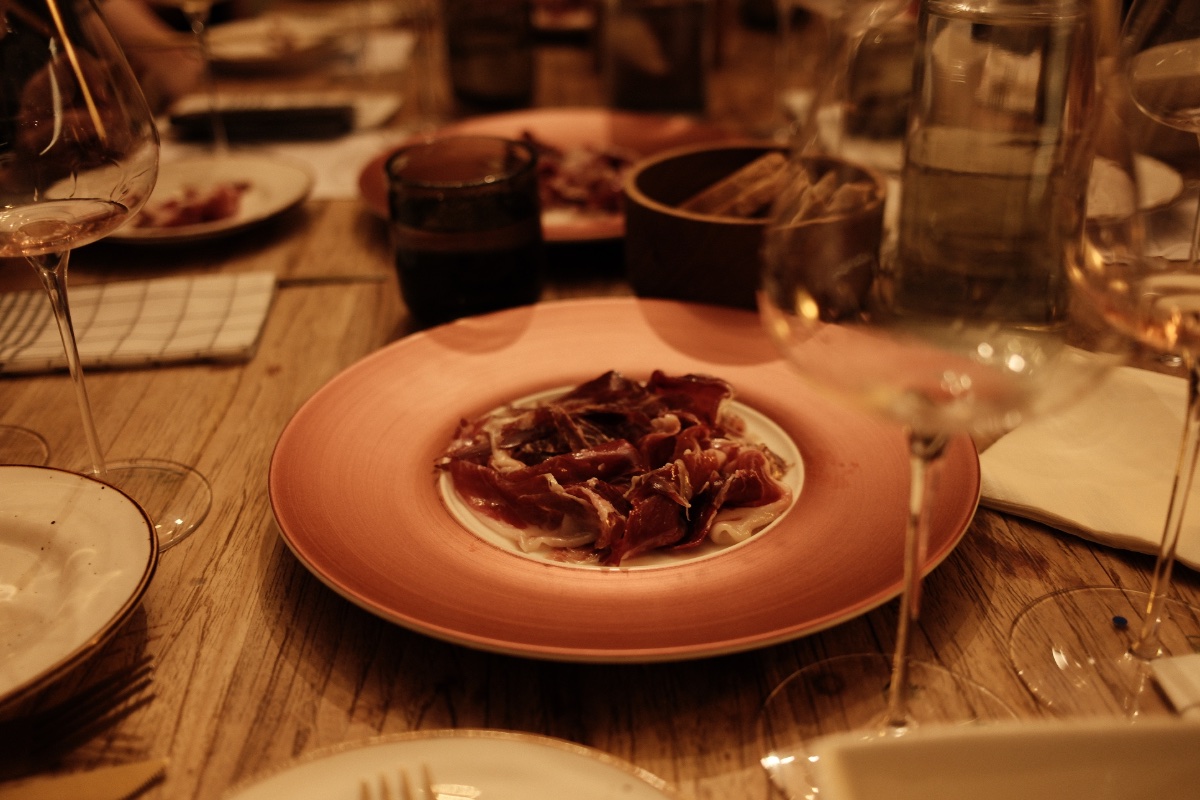
The 2019 Abyss Rosé and Abyss Blanc 2018 arrived last, slicing through the richness of the duck confit while mirroring the salinity and creaminess of the cheese platter, closing the evening on a delightful note.
The 2019 Abyss Rosé is the more structured of the two sea-aged cuvées — firmer through the mid-palate, with a frame that holds the fruit in rather than letting it drift. The nose leads with red fruits and a distinct oxidative character, with the kind of salinity that does not read as a winemaking choice so much as its ageing environment. The 2018 Abyss Blanc sits at the other end of the spectrum, being fresher and more linear, with the sea-ageing showing less as flavour and more as a quality of precision. Where the Rosé gives you something to grip, the Blanc asks you to follow it.
Both the rosés stood out to me. The Rosé Extra Brut NV has managed to achieve this fascinating balance of silky, weightless mouthful with sufficient structure in the wine, aided by the still red wine blended in. The 2019 Abyss Rosé is akin to eating a piece of the Bengawan Solo butter cake smeared with strawberry jam for breakfast, while simultaneously having soft-boiled eggs with soy sauce.
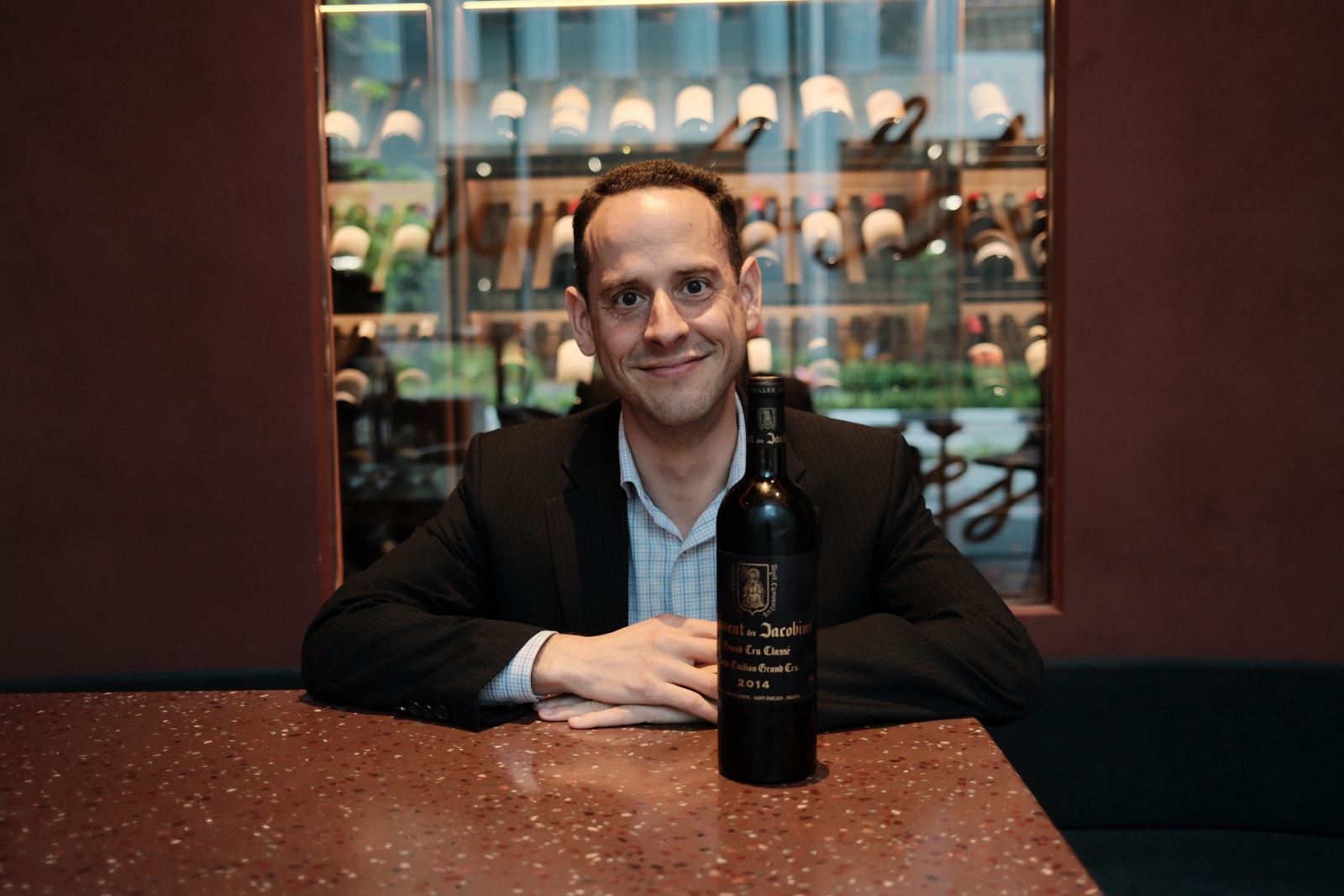
Jonathan Tinguad, founder of Vin-Ex Singapore, is the importer who brought Champagne Leclerc Briant to the market. He shared that it was "a Champagne house that was once somewhat forgotten" until the new owners came a clear vision. It was a remarkable story of revival and turning a business around. On the sea-aged cuvées specifically, he noted that beyond the novelty, the wines deliver in quality. That is precisely why they have become some of Vin-Ex's top-selling Leclerc Briant cuveés in Singapore.
Leclerc Briant occupies an interesting position in Champagne. It is biodynamic in practice, uncompromising in single-plot sourcing, and unapologetically outside the mainstream grande marque style. These wines are not built for immediate approval but instead reward patience, which makes them well-suited to an audience and format like ours.
Besides the sea-aged cuveés, event attendee Philologus Eio (@wildwristwatch) singled out the Les Basses Prières 2017, sharing that "the oaky notes from its barrel ageing and creamy texture elevate it to my favourite of the night."
Philologus also commented, "The small intimate nature of the event felt like a gathering of friends meant the amazing champagne was able to take centre stage without any hint of austerity." It was his first time attending an AWR event, which he called a "great first experience for me".
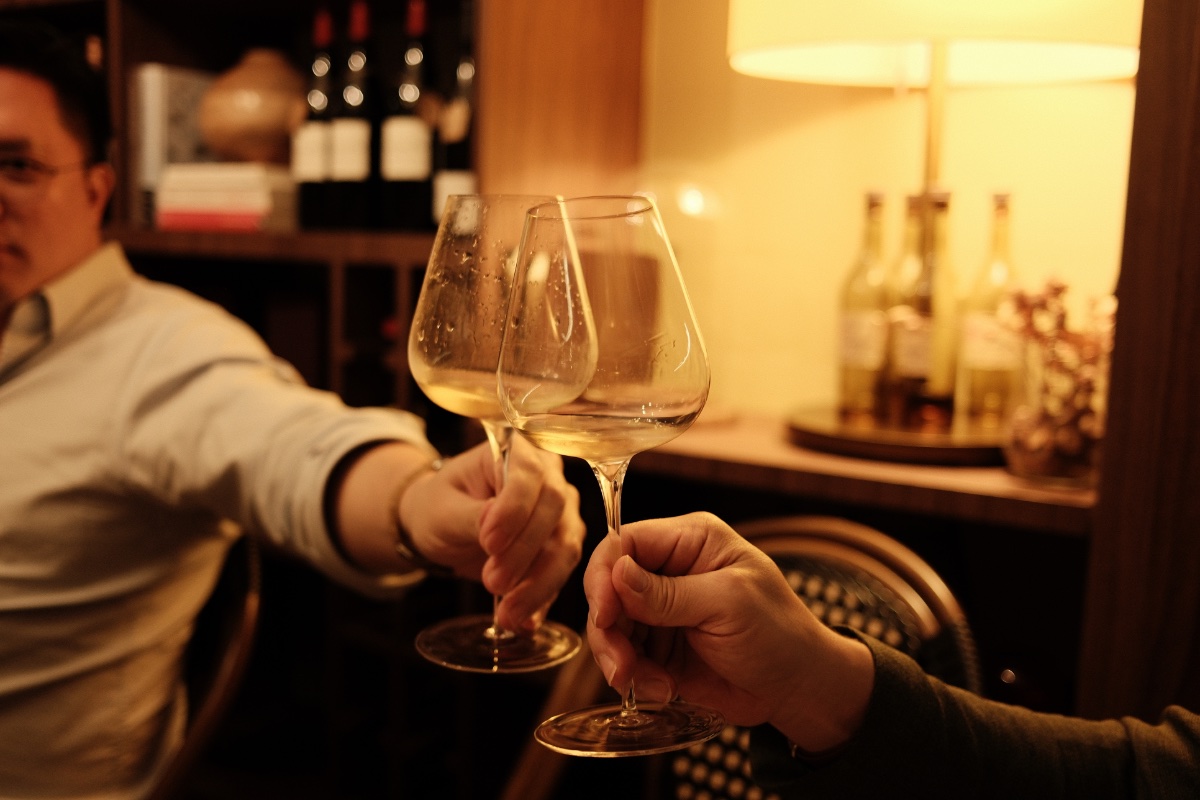
What the evening demonstrated is that the sea-ageing conversation, however compelling, is ultimately a distraction from the more interesting question: whether the wine has enough to stand on its own, sea-aged or not. Across the cuveés, Leclerc Briant does.
This is what The Deep Dive series is designed to produce — a room small enough for the wine to matter. A format rigorous enough to be worth writing about.
Thank you to Vin-Ex Singapore for the wines. Event was held at Chez Suzette at Teck Lim Road.