Features
DJ Mig: The KOL The Wine Industry Actually Needs
In a world where anyone can post about wine, Sumeth "DJ Mig" Udomkit proves that knowledge is the only thing that holds.
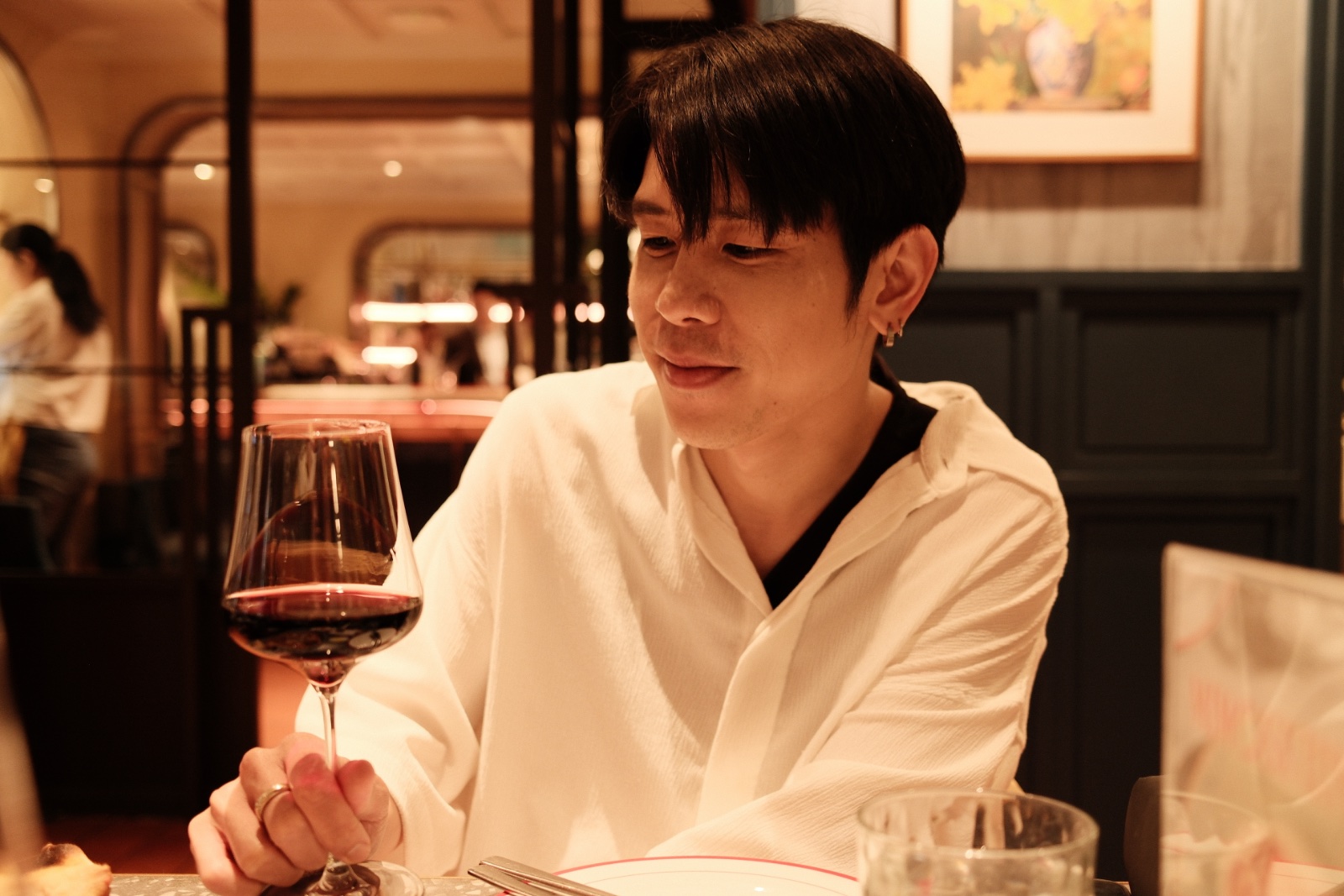
DJ Mig, a wine KOL based in Bangkok, better known by his handle @djmig_yeswinedo. (Photo Credit: Jaclene Liew)
"Every country has food," he told me. "But not every country has wine." This is not exactly how I envisioned a conversation with another wine KOL would be.
The first time I met Sumeth Udomkit, better known as DJ Mig (@djmig_yeswinedo), at Vinexpo in Hong Kong, he was unlike the other KOLs standing there. He was quietly confident, just like how those with real knowledge underneath the good looking face often are. In the wine world, you very quickly understand that the loudest person in the room is often not the person who knows the most.
DJ Mig did not need to be loud. He is after all, one of the very first wine KOLs in the Thai market who has proper wine training and knowledge. In 2022, DJ Mig started on TikTok making videos around pronouncing grape varietals.
Wine KOLs in Bangkok existed, but knowledge was largely absent, and the gap between lifestyle content and literacy was wide.
He had wanted to be a sommelier. "That was my dream," he says. Bangkok already had excellent sommeliers, but what it did not have was a credible wine communicator. "There were a lot of top sommeliers, but nobody as wine media." His word for it is precise: he wants to "fulfil the industry," not replace anyone in it.
What separates DJ Mig from a KOL posting a bottle next to a sunbed is the knowledge underneath. Without it, the content still gets made, but they are often laced with misinformation. Many wine brands lament about KOLs being ineffective or the wine industry's suspicion of KOLs and even sometimes journalists who lack the knowledge and hence presents myths as fact. This looks like sweeping statements about certain producers or appellation rules described incorrectly. The audience receives false information delivered with the aesthetic confidence of expertise.
This credibility and his charming nature has attracted major global brands the likes of Concha y Toro to work with him, amongst many others.
He discovered wine young and it consumed him. "I can read all night long about grape varietals," he says. Italy was the entry point — reasonable prices, easy to learn from. "But for the rest of my life, Burgundy for sure."
A sommelier influences one table at a time. Most wine decisions and exposure, however, are made way before a customer sits at a table. "The consumers don't always drink wine at a restaurant with a sommelier," he says. "For most of their lives, they have to select wine themselves. They need data from online sources. That's where influence actually lives."
In Thailand, that influence operates under high-stakes constraints where traditional advertising is prohibited. Displaying a recognisable label on social media might trigger a fine, with e-commerce alcohol sales being entirely illegal. This strict legal landscape completely eliminates corporate ad-spend as a tool for brand building. Because the industry cannot buy its way into public consciousness, wine culture has evolved entirely through trusted, organic voices—relying on private tasting communities, face-to-face relationships in Bangkok’s luxury enclaves, and individual tastemakers who have earned real authority on the ground.
Dj Mig believes what he does matters, "even with the risks it comes with."
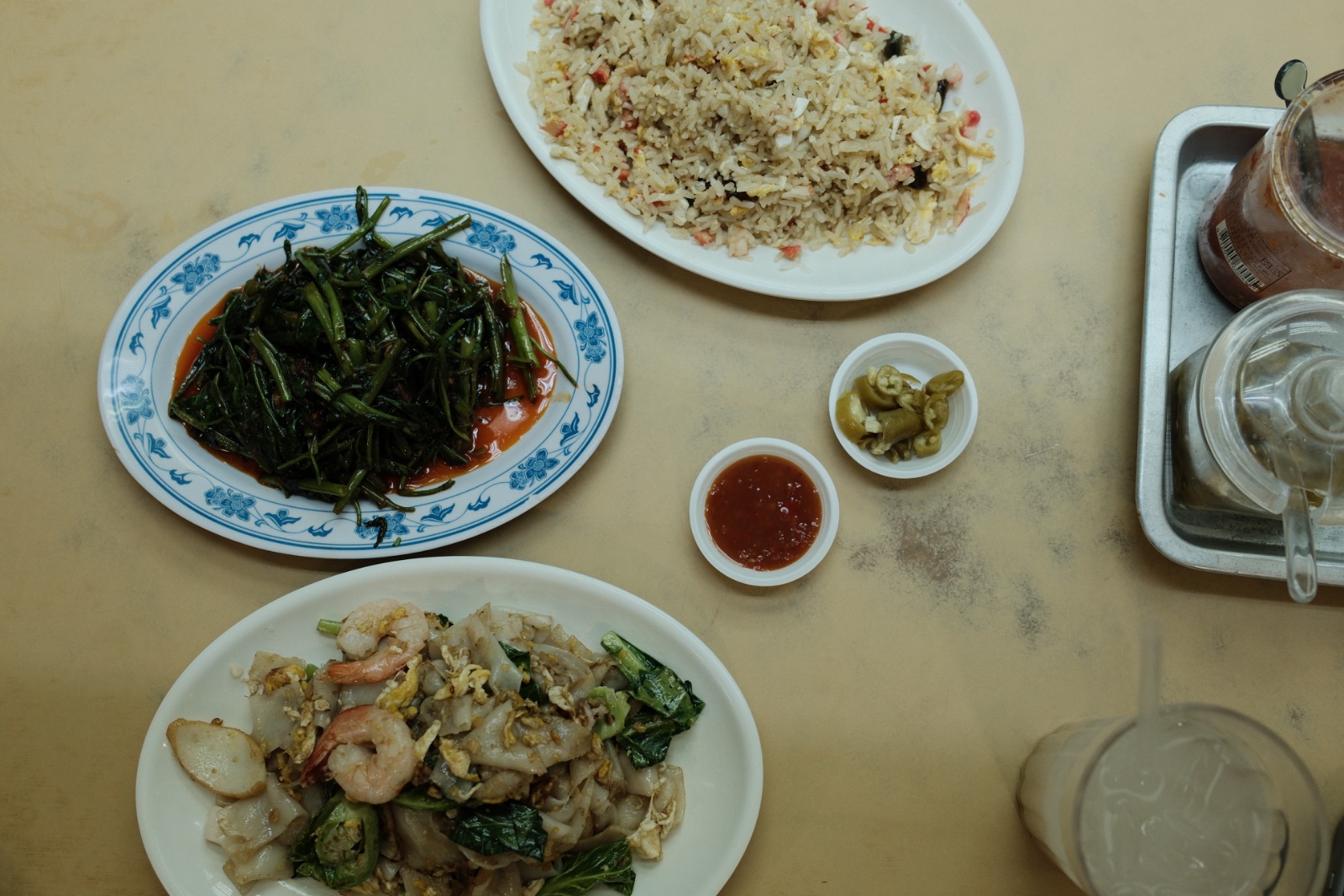
He has been studying food as deliberately as he once studied wine, because he knows the two are inseparable. Western wine writers covering Thai cuisine almost universally assume spice and recommend off-dry whites accordingly. He pointed out that Thai food is not one dish, but a collection of regional traditions with entirely different flavour profiles. A writer who has not eaten through the north, the south, and the Chinese-Thai family table cannot write about it with authority.
When discussing his recommendations for pairing, he mentioned Tom Yum Goong in its richer form with a fruity riper-tannin red like Primitivo, jammy enough to match the weight without amplifying the heat. He also enjoys Khao Niao Mamuang (mango sticky rice) with Sauternes, saying it like a matter-of-fact. An intriguing one is Som Tum (green papaya salad) with Sauvignon Blanc, where the herbal freshness mirrors the dish and the absence of tannin keeps the chilli from turning harsh.
"If we want wine to become part of everyday life here," he says, "we need to start with the dining table — our dishes, our culture, the emotions that come with sharing a meal."
And wine, he insists, should not arrive at that table dressed as luxury.
"Wine should not be communicated as a luxury drink anymore, even if some wines are. Wine is just a kind of drink that people from somewhere in the world drink simply, casually, enjoyably. Make wine simple. Just drink it."
That is harder to say with authority than it sounds, but DJ Mig, he has earned it.